
LEISURECHAIN.COM
Leisure - Travel - Tourism - AdventuresProfile Description
Organ Pipes National Park is just off the Calder Freeway about 20km north-west of Melbourne, situated in a deep gorge in the grassy basal of Keilor Plains.
The 121-hectare (300-acre) of protected was established with the focus on conservation of the native flora and fauna, and preservation of the geological features in the Jackson's Creek area North West Of Melbourne.
Within Organ Pipes National Park, the valley walls of Jacksons Creek expose Pleistocene volcanic rocks of the New Volcanic Group . These 2.5 to 2.8 million-year-old basalt lavas commonly known as trap rock fractured during cooling into vertically standing, hexagonal basalt columns. The columns are locally known as the "organ pipes" for which this park is named.

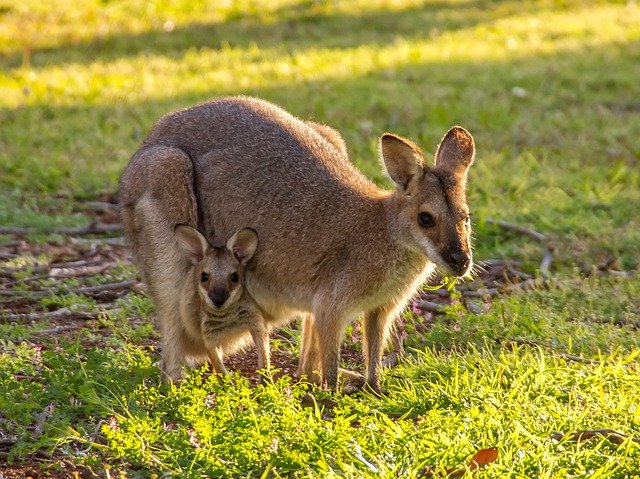
A variety of native mammals can be found at the Organ Pipes National Park. These include include Brush-tailed and Ring-tailed Possums, Eastern Grey Kangaroos, Swamp Wallabies .
Early Settlers were farmers and hunters who lived on the forest products and harvested grass species and spear grass that were grown and regrown in the area of the Keilor Plains after burning every year.
History Of The Organ Pipes National Park
Over the last one to two million years, the slow cutting by Jackson Creek of its valley down into the basaltic plains and through the underlying trap rock exposed these geological structures. The bottom of the valley of Jackson Creek also exposes a prehistoric buried creek valley, which is cut into 400 million-year-old Silurian mudstones and sandstones. The bottom of this buried valley contains ancient creek gravel. Both the ancient river valley and the Silurian sedimentary rock lies buried beneath the basaltic volcanic rocks of the New Volcanic Group. Marin Fossils found in the Silurian sedimentary rock demonstrate that they accumulated beneath a prehistoric ocean